Hypotheticals by Manny Wood. Published in the Coffs Coast Advocate on 3 November 2018.
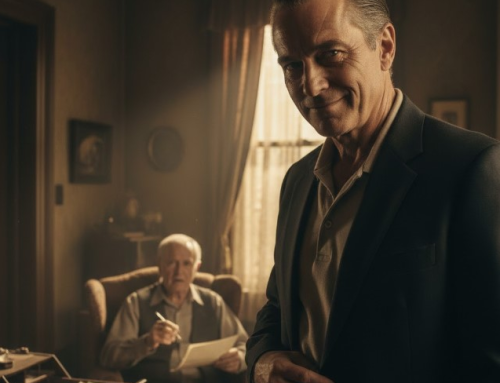
 Steven has been living with and caring for his mother, Amanda for many years.
Amanda owns a one-third share of the property and the rest of the property is owned by other family members.
Amanda’s only other child, Robin lives alone in Department of Housing accommodation.
When Amanda dies, she leaves her whole estate to Steven.
At the time of making her will, Amanda composed a letter, outlining her reasons.
Robin contests the will, seeking provision.
The court cites a previous decision, stating; “No dispute can be bloodier than when the blood, thicker than water, is spilled copiously in uncompromising and uncompromised litigation between [siblings] in a fight over their inheritance”.
The court accepts Robin’s evidence that she suffers from a number of medical conditions including chronic schizophrenia, fibromyalgia, angina and chronic pain.
The court notes that Robin has secure accommodation albeit Department of Housing accommodation. The court also notes that Robin receives a disability support pension and has been approved for assistance under the National Disability Support Scheme.
Facing a difficult decision, in circumstances where Robin receives no provision from her mother’s estate and has few assets and only a small Centrelink income, the court ultimately dismisses her claim in light of Steven’s needs and Amanda’s wishes.
Family provision proceedings make up the biggest list in the Supreme Court, constituting around 80 new matters per month. Approximately 80% of these matters are made by children, challenging the provision in their parent’s will. 90% of these matters are settled between the parties and only the remaining 10% result in a hearing. Most of these matters are settled at mediation.
If you would like Manny to address a particular legal issue, send your request to manny.wood@ticliblaxland.com.au or call him on (02) 6648 7487.