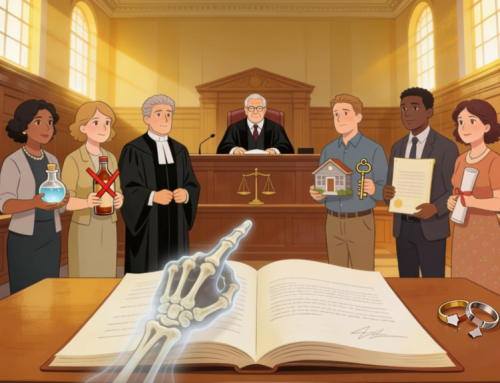
This week’s column highlights the importance of understanding whether your assets can be dealt with under your Will. Jack and Jill, in their early 60’s, have been in a de facto relationship for a few years. They each have two children to a previous relationship. They discuss their Wills and agree that their children are to be the primary beneficiaries of each other’s estates.
They both have significant amounts of Superannuation and they purchased a home together in Coffs Harbour last year. They do not have any other significant assets. Jack and Jill make valid Wills, leaving “my share in my Coffs Harbour property and the balance of my superannuation fund to my children equally” and “the rest of my estate to my partner”.
Jack dies and his children take his Will to a local solicitor. To their surprise and great disappointment, the solicitor advises them that they receive nothing under the Will. The solicitor is right. The Coffs Harbour property was purchased by Jack and Jill as joint tenants. This means that the whole of the property passes to Jill by way of the “right of survivorship”. It does not matter what was recorded in their Wills.

Without a binding nomination in place, the trustee of the super fund exercises its “discretion” and decides to pay the balance of his fund to Jill. Jack’s children commence proceedings in the Supreme Court, seeking a family provision order. Whilst they are ultimately successful in obtaining a portion of Jack’s estate, the costs of doing so severely diminish their late father’s estate. The process is stressful and time consuming.